Category: clarence
Symptoms that a Soviet Loves You

You arrive at her house for a visit, and a “casual lunch on the patio” consists of red caviar and blinchiki (Russian crêpes), festooned with sour cream and fresh dill. Oh, and a perfect salad of fresh radishes, green onions, and cucumbers. Side effects of caviar-on-landing may include weakness in the knees, but Japanese beer is a good remedy for that.

What’s for dinner when a Soviet loves you? Homemade golubtsy (stuffed cabbage rolls) topped with more sour cream, of course. Sour cream is an important component of Soviet love. Side effects of golubtsy-love may include bloating and boasting.

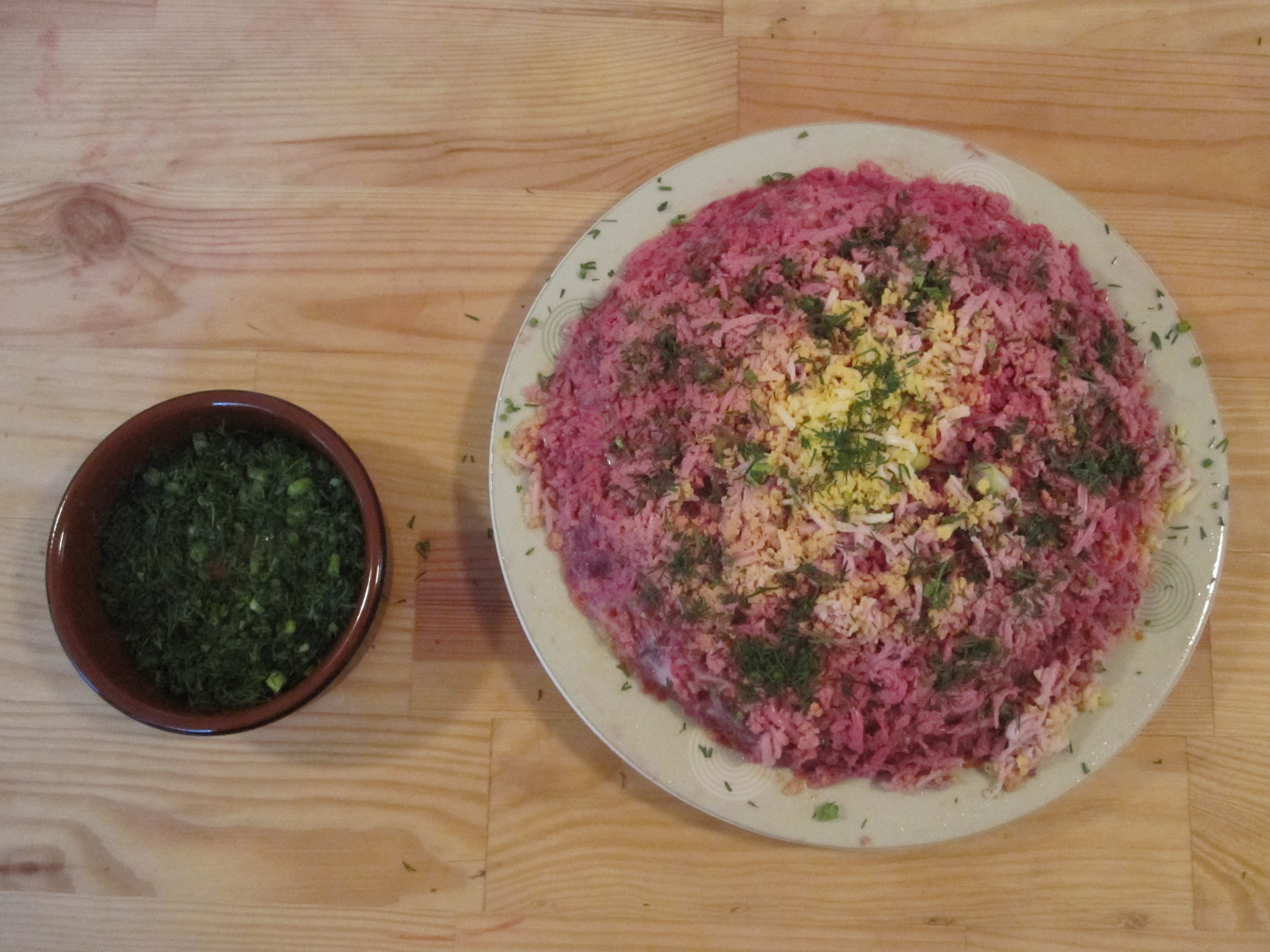
Have you found the love of a Soviet Jew? Then lunch the following day will probably be shuba, that fuchsia salad of Eastern-European Jewish diaspora, made of salted herring, potatoes, carrots, beets, onion, hard-boiled eggs, mayonnaise, and dill. My Soviet is an expert at using the smallest amount of mayonnaise humanly possible, so her shuba never gloppy. Side effects of shuba-love may include eating beets for breakfast and excessive bragging on your blog.
Merci beaucoup, M!
Clarence Jumps for Joy: More Boston Feasts

When we weren’t eating the insects of the sea, we ate some other pretty terrific stuff during my brief sojourn in Boston. After a day of sightseeing and shopping on Newbury Street, M and I headed to Barbara Lynch’s The Butcher Shop (52 Tremont Street, Boston, MA 02118, 617.423.4800, www.thebutchershopboston.com). I’d been excited to try The Butcher Shop ever since my friend J purchased her Thanksgiving turkey there last year to rave reviews. It’s a real carnivore pleasure hanging out there, as they do much of the butchery right in the center of the dining area (vegetarians and the squeamish should probably eat somewhere else, if the name of the restaurant wasn’t clue enough). The refrigerated case would be the first thing I would rob given the opportunity and disposition for theft.
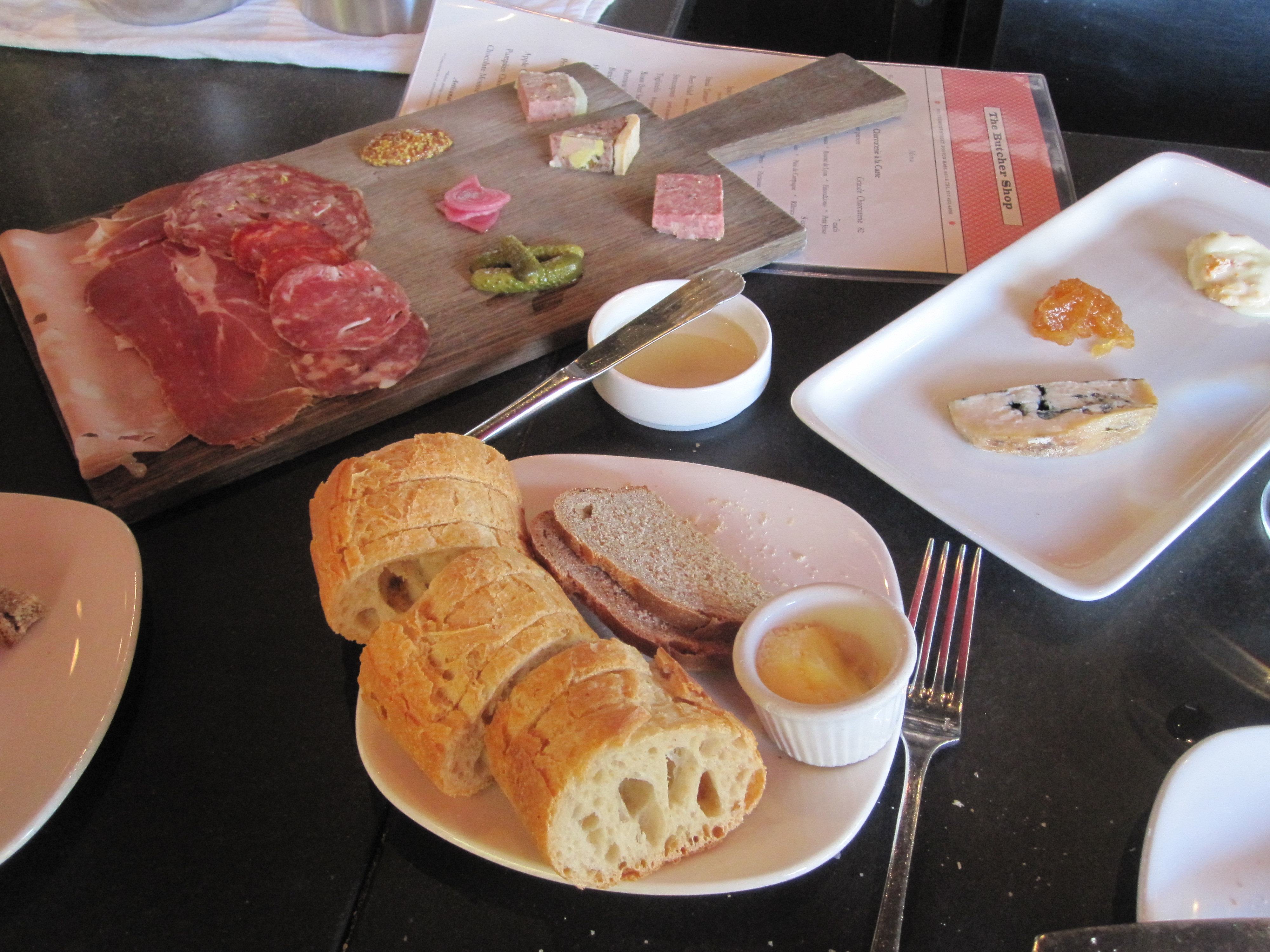
We ate lunch at the bar, drinking rosé and sharing a charcuterie plate of mortadella, prosciutto di Parma, salami Biellese, spicy sopressata, game bird en croûte, pâte de campagne, and a foie gras terrine, as well as a few cheeses from their excellent selection. Everything was lovely, though the portions are pretty miniscule. I did secretly long for the heavy, unfussy charcuterie plates at Le Baron Rouge, but as far as US charcuterie goes, The Butcher Shop is pretty great. For the Boston folks, it would also be an excellent resource if you were looking for an unusual cut of meat.

For my final evening in Cambridge, M had made reservations at the cozy local restaurant Bondir (279A Broadway, Cambridge, MA 02139, 617.661.0009, www.bondircambridge.com). Named for chef Jason Bond and presumably meant to evoke something like “to leap for joy” in French, it has a bit of a different connotation for French speakers (especially the filthy-minded ones like us). Let George Brassens explain:
Egregious sexual innuendos aside (and there were certainly a lot of them), Bondir is a truly gorgeous restaurant. It’s tiny — only 28 seats — meaning that reservations are a must, though I did see a few people loitering by the handsome fireplace hoping that a table would open up as the evening progressed. Bondir’s menu changes daily and focuses on sustainable New England produce and seafood. All the plates come in two sizes and sharing is encouraged – great news if your crew is like my crew and everything gets passed around anyway. On our night in April, we drank a ‘09 Francois Raquillet, ‘Les Naugues’ Mercury première Cru, and the three of us shared the following:
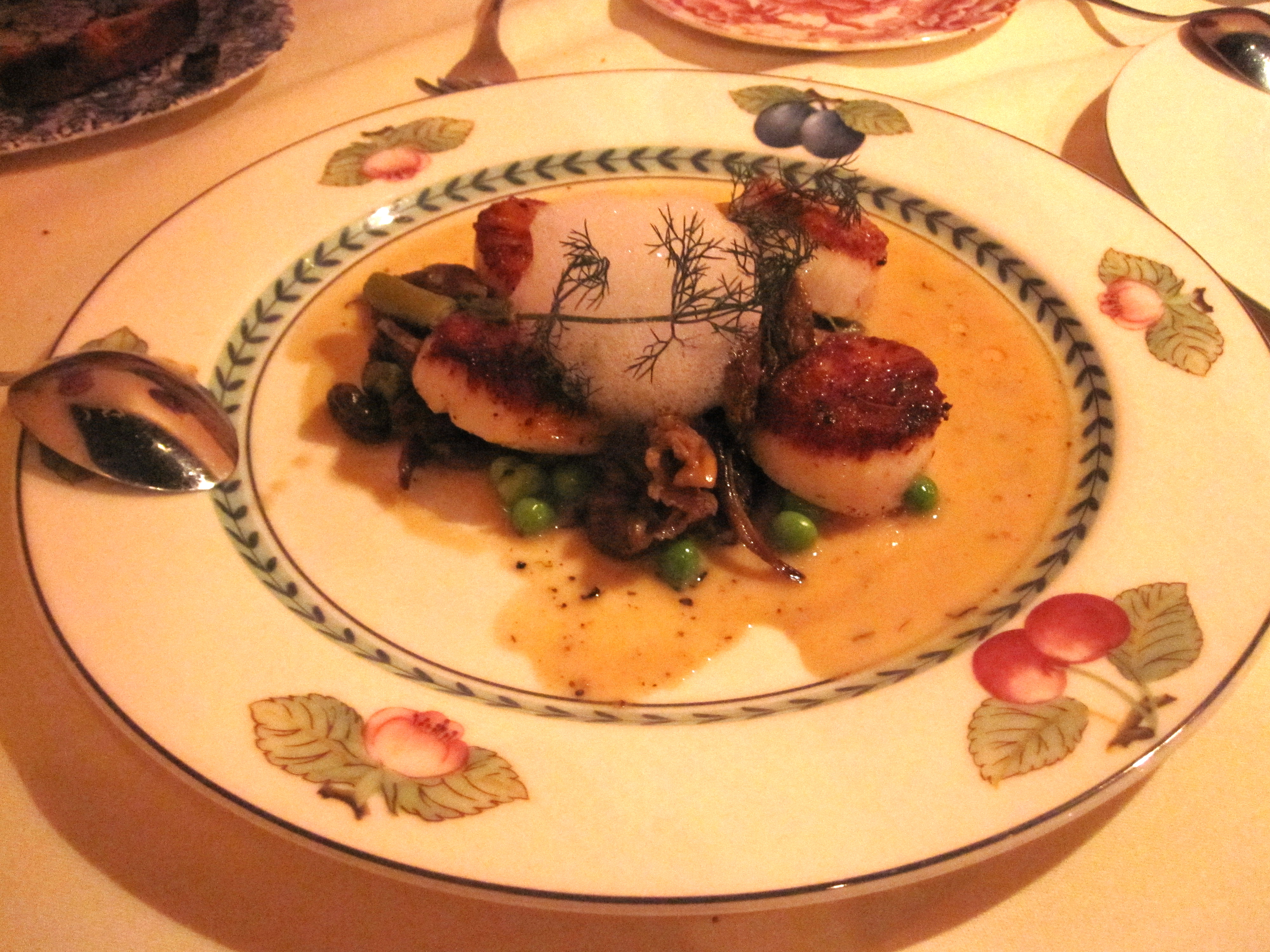
Scituate scallops with sorrel, yellowfoot mushrooms, Georgia sweet peas, pickled radish pod, and sage froth
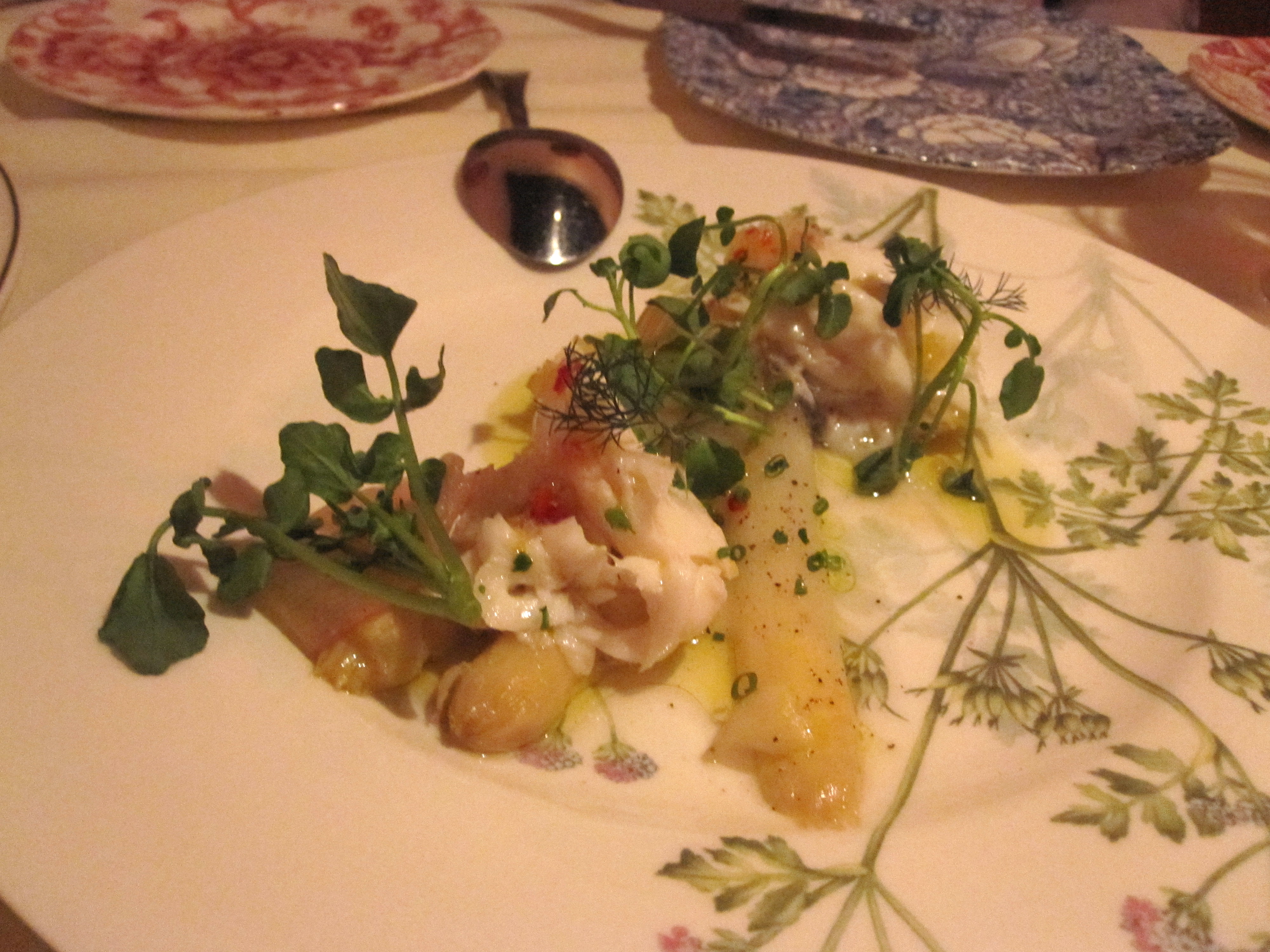
French white asparagus salad with wild Westport watercress, lemon-chili vinaigrette, pickled rhubarb, lemon verbena, and olive oil-poached Day Boat halibut
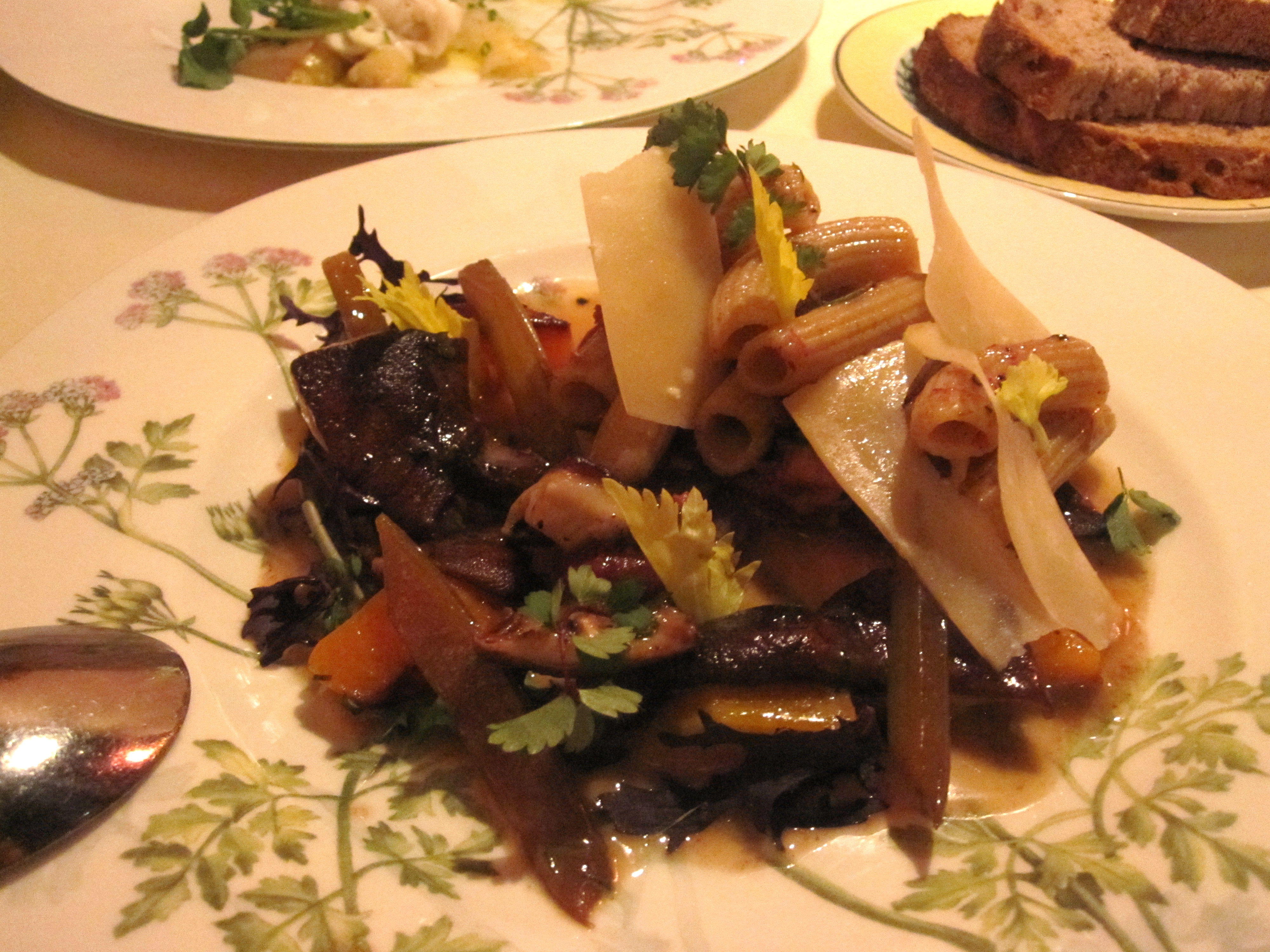
Red wheat rigatoni with braised beef shank, shiitake mushroom, butternut squash, Pu-Erh celery baton, and Parmigiano Reggiano
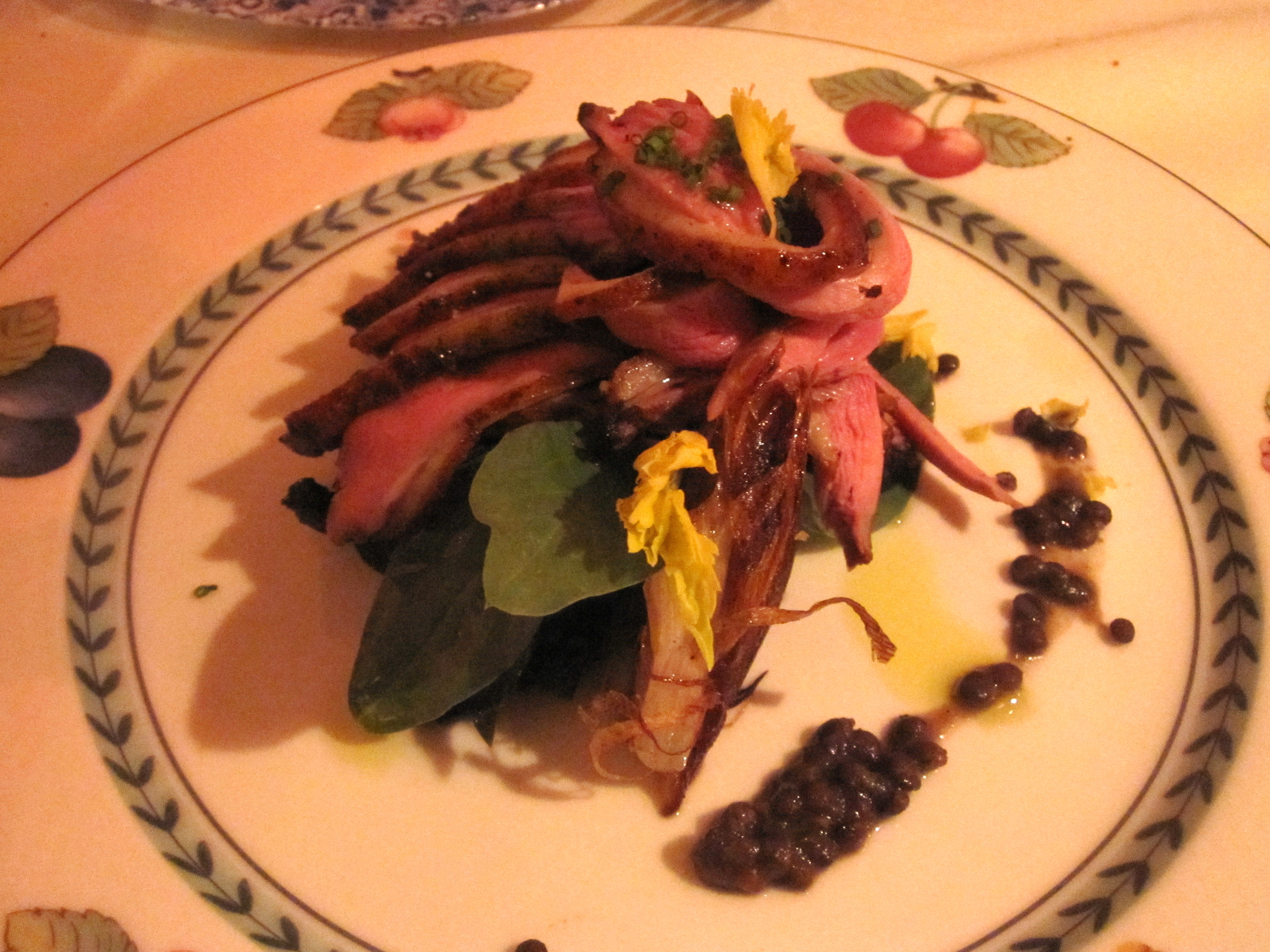
Rouen duck breast with Rhode Island white flint cornmeal cake, young onion greens, collard greens, and red wine black lentils
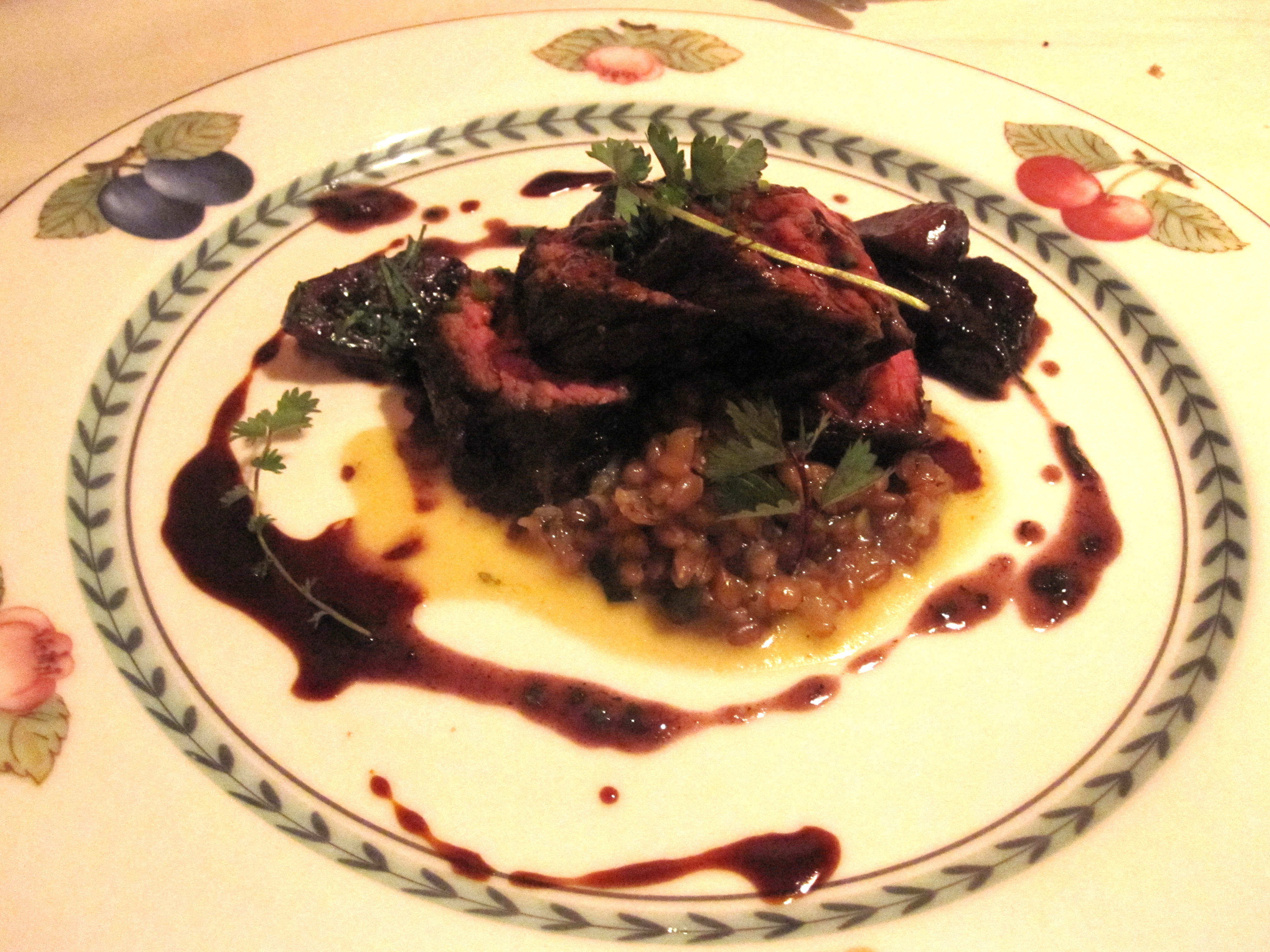
Angus beef bavette with red wine braised root vegetables, rye berries with crème fraîche, and roasting jus
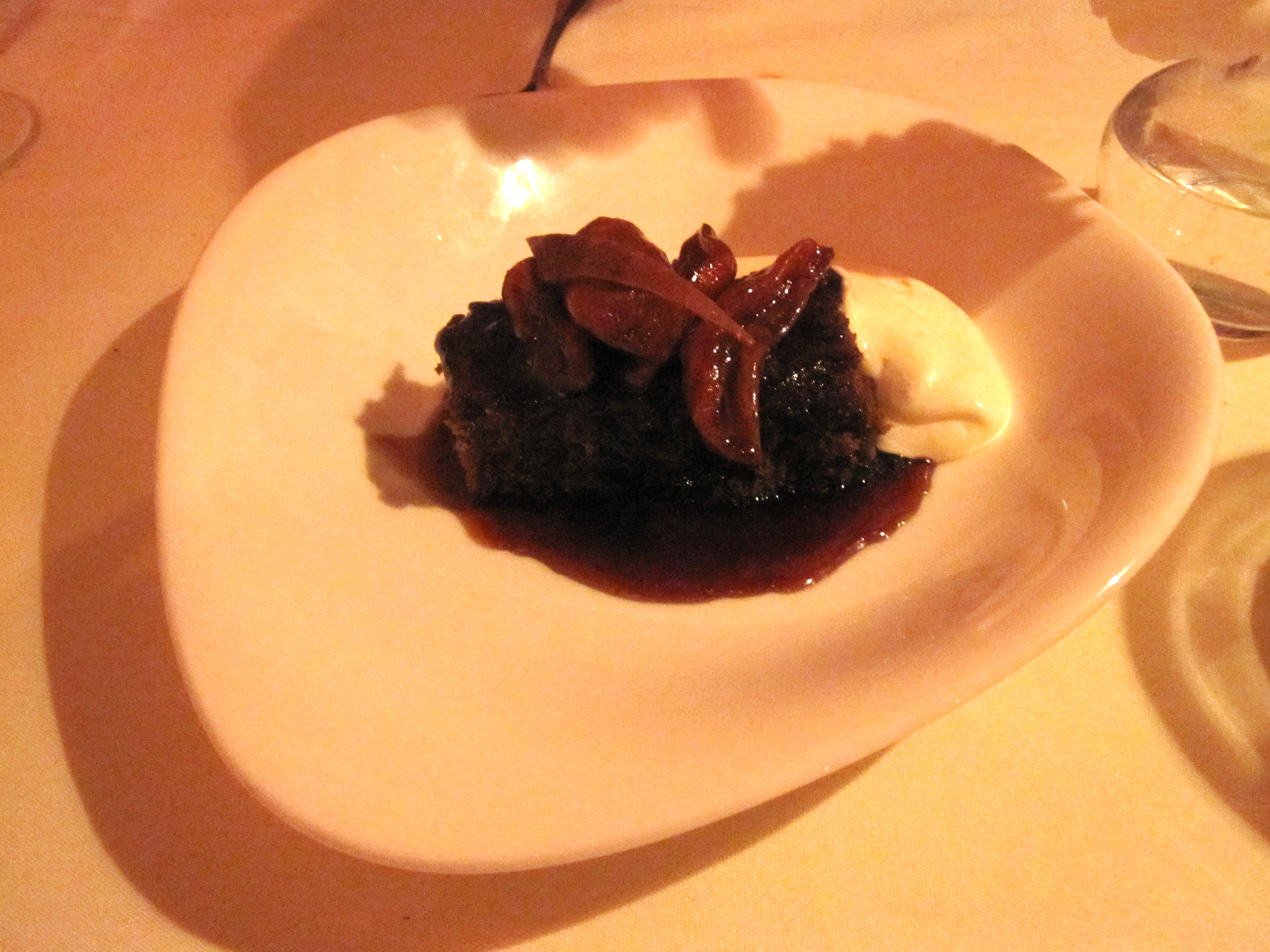
Westport spring-dug sunchokes with olive oil-caramel, gingerbread cake, lemon mousseline, and fruit leather

Sour cherry trifle with mocha chocolate financier, almond milk gelato, and meringue brulée
Those final two desserts were really something special – I had never imagined that a roasted sunchoke would make for such an utterly decadent dessert. I’ll ‘fess up now, I didn’t record the details of each dish with nearly the precision listed above (my real list was more like Scallops! White asparagus! Pasta thing! Duck! Beef! SUNCHOKE DESSERT! Sour cherry sundae!). I fleshed out the details two months later with the happy assistance of the Bondir website. If, like Clarence, your version of porn is restaurant menus, I’d highly encourage a visit, as an archive of past menus is available for your perusal. I’ve gotten some lovely ideas for my own cooking from the site since my visit. A pithy substitute for a lovely evening, but it will have to suffice until I find myself again in Cambridge.

Finally, I’d be totally remiss if I didn’t mention A&J King Artisan Bakers in Salem (48 Central Street, Salem, MA 01970, 978.744.4881, www.ajkingbakery.com), both for their g-g-g-gorgeous bread and free WiFi, which allowed A to study for his exams while M and I browsed the nearby Peabody Essex Museum. We devoured one of their boules and a rhubarb tart at the beach in Rockport, yelling at the seagulls to bake their own damn bread. I brought a bag of A&J’s coconut macaroons back home to Indiana for B, thereby extending my the yumminess of my trip into the following week at home.

Juanita’s Banana Bread + A Small Tribute

Some dark clouds have gathered Chez Bear-Garden, as my amazing 95-year-old grandmother is in the process of passing away from this world to whatever lies on the other side. There aren’t really any wise or clever words to dose out in this situation. All I can say is that she has lived a long and interesting life and raised a great family in the process, and I am still sorting how much emptier the world will be for my family without her in it.
Juanita is the most fiercely independent person I’ve ever known, and if I had to describe her in two words or less I would say “elegant mettle.” Originally raised in a Southern Colorado/Northern New Mexico Hispanic farming community that can trace its roots there to the early 16th century, she married into a family of Sicilian immigrants who had settled into the San Francisco Bay area. The fusion of those two culinary traditions — roasted green chiles, queso blanco, and blue corn on the one hand, salted anchovies, Cioppino, and homemade raviolis on the other — is what my family considers comfort food of the first order. All of us cook the way we do because of the way my grandparents cooked, and one of the ways I will always remember Juanita is through the culinary traditions that she and my grandfather started and that I hope will be shared with the generations to come in our family.
As a small tribute to her, I wanted to share one of my favorite of her recipes. An inveterate sweet tooth, my grandmother would always have a cake, a pie, or a loaf of famous banana bread for her visitors. Her banana bread is perfect, simple solution to that bunch of rotten bananas that you might have hanging out in your kitchen right now. My mother would always bake some for parties or for a sick neighbor, and today I often make a loaf at the beginning of the week for easy, yummy breakfasts on the go.

Juanita’s Banana Bread
You need:
1 cup of sugar
1/2 cup of butter or vegetable shortening
2 eggs
3-4 very ripe bananas (we’re talking brown, shriveled, and fruit-fly ready)
2 cups flour
1 teaspoon baking soda
1 cup walnuts or pecans
Preheat oven to 350 degrees. Grease loaf pan well with butter and sprinkle with flour. Cream together sugar and butter. Add eggs and bananas to butter and sugar mixture and mix well. I find that a potato masher works excellently for smushing up the bananas. Add flour, baking soda, and walnuts or pecans. Mixture will be stiff. Pour into pan and bake for one hour or more until toothpick comes out clean from the center of loaf when inserted.
Second generation modification: My mother used to serve slices of banana bread topped with cream cheese and black olives at her wild parties of the 1970s and 1980s. It’s not my cup of tea, but a lot of people reading this blog might have fond memories of those days.
Third generation modification: To make this a bit healthier for weekday breakfasts, I like to substitute 1/4 cup of flour with 1/4 cup of ground flaxseed. I also omit one banana and add instead a cup of frozen blueberries when I add the nuts.

Clarence Eats Crustaceans, or, Lobsterfest 2012
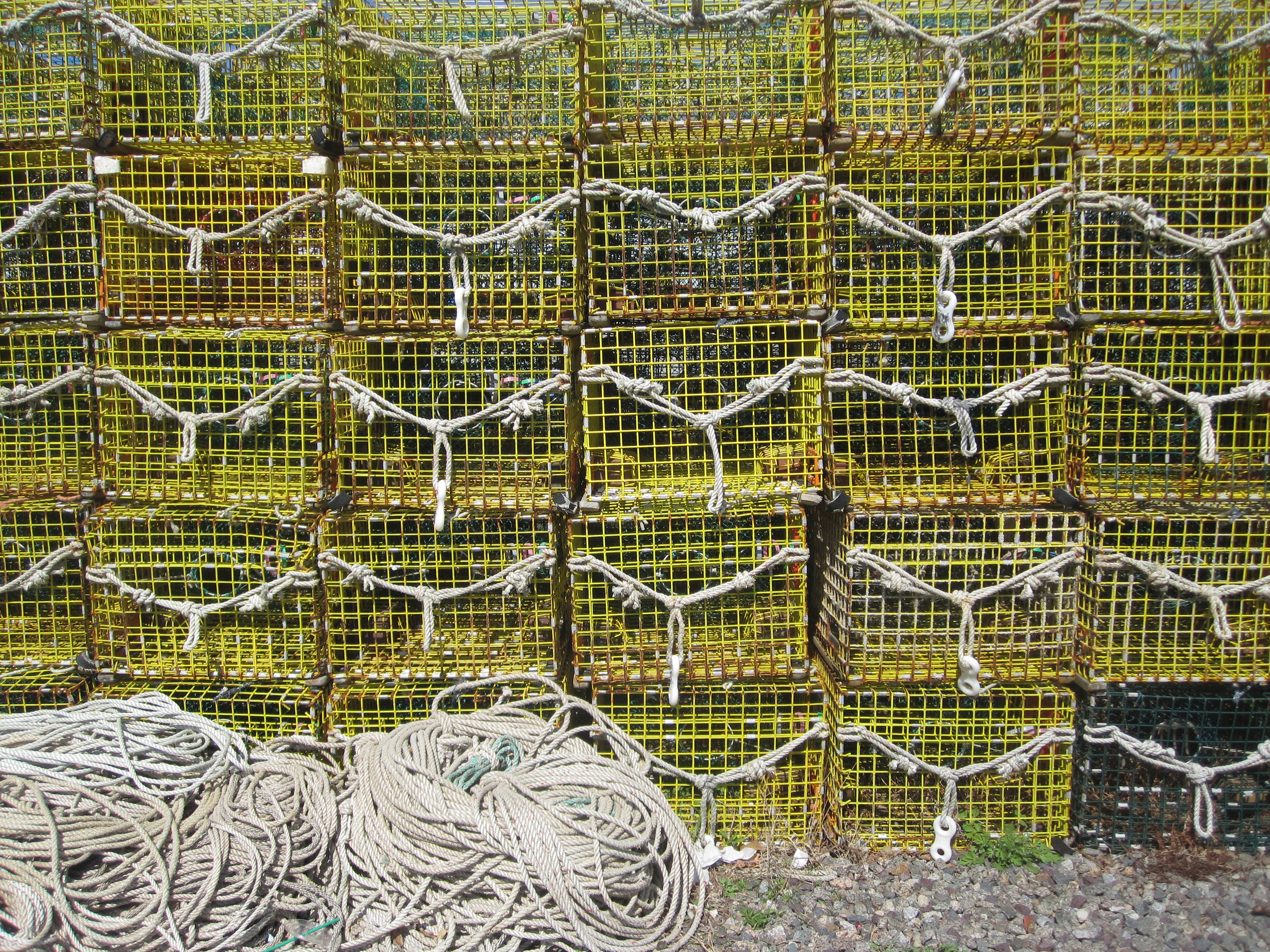
I went to Boston this past spring because I had been listening to a lot of Joan Baez and going to Boston in the springtime seemed like the thing to do. No, actually I went to Boston to visit M and her lovely husband A at their digs in Cambridge, where A was completing a fancy degree at that fancy college there. Now he can join the legions of people who, upon being queried where they went to graduate school, can say “A school outside of Boston?” The trick is raise your voice at the end, so it sound like a question. Nobody can be sour grapes about what a rock star you are if you make your answer sound like a question. That is my tip for you, dearest A.

M knew that one of my biggest gripes about my landlocked existence this year was the dearth of lovely seafood available in Indiana. So our first stop was Alive and Kicking Lobsters (269 Putnam Avenue, Cambridge, MA 02139, 617.876.0451, http://www.aliveandkickinglobsters.com), a no-frills seafood shop and lobster-sandwich purveyor that was dangerously close to M and A’s apartment. I say “dangerously close” because if someone with the non-existent willpower of yours truly lived nearby she would probably eat there every single day. I hate it when you order a lobster roll and they skimp on the lobster, or mix in Pollack, or give you a sandwich that is 90% mayonnaise or bread. I would say that Alive and Kicking makes a damn perfect lobster sandwich, with an unearthly amount of sweet fresh meat, a little herbal kick (tarragon?), locally-baked scali bread, and just enough mayo to keep the whole thing moist. Paired with some salty chips and lovely picnic table seating outside, and you’ve got yourself a pretty awesome local place, should you find yourself in “Cambridge?”

I was also starved for some good-old-fashioned unclean eatin’, so M took me out to get a bivalve fix at the Island Creek Oyster Bar (500 Commonweath Avenue, Boston, MA 02215, 617.532.5300, islandcreekoysterbar.com). One of what appears to be a growing trend of restaurants that own the farms where their oysters are grown, Island Creek is a serious destination for oyster-lovers (and is priced accordingly). I was able to sample a variety of lovely gems, including the namesake Island Creek oysters grown by Skip Bennett in Duxbury, MA and Stephen Wright’s babies from Chatham, MA. All of this was paired with a lovely bottle of Grüner Veltinger, which M and I had independently decided is the ultimate oyster-pairing wine. The climax of the evening, however, was sampling my first ever Belon oyster (grown in Maine). M described eating a Belon as “basically like taking a big bite out of a zinc countertop,” and I’d have to concur with her assessment. Oyster-lover I may be, but I don’t think I’ll be buying any more of those metallic little suckers anytime soon.
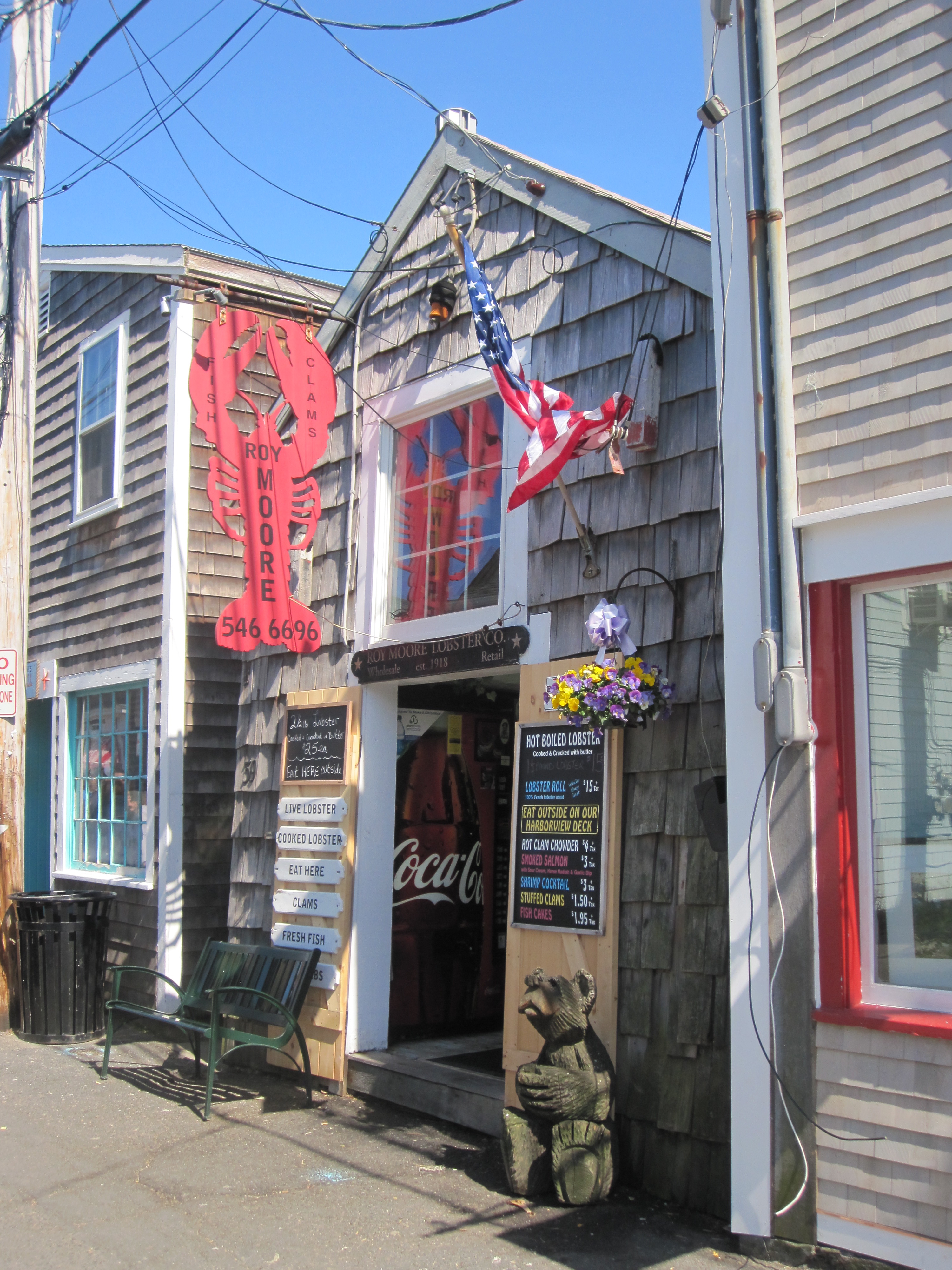
But we weren’t done! Oh no, we were definitely not done in Clarence’s crusade to eat every single crustacean and bivalve on the eastern seaboard. Graciously, A took a day off from work the week before finals (!) and the three of us drove up to Rockport, Massachusetts for ocean gazing, beach walking, and knickknack shopping. Scenery aside, our main objective was lunch at Roy Moore Lobster Co. (39 Bearskin Neck, Rockport, MA 01966, 978.546.6696). If you’ve ever watched a Red Lobster commercial late at night and felt an elemental pang of longing for the red flea (not from Red Lobster, obviously, but these commercials do seem to be my trigger), this is your Valhalla. Lunch was stuffed clams, smoked salmon with horseradish cream, freshly-shucked Wellfleet oysters, and the two most beautiful lobsters I’ve ever seen, all for a price that made me say “No seriously, how much did that actually cost?!”
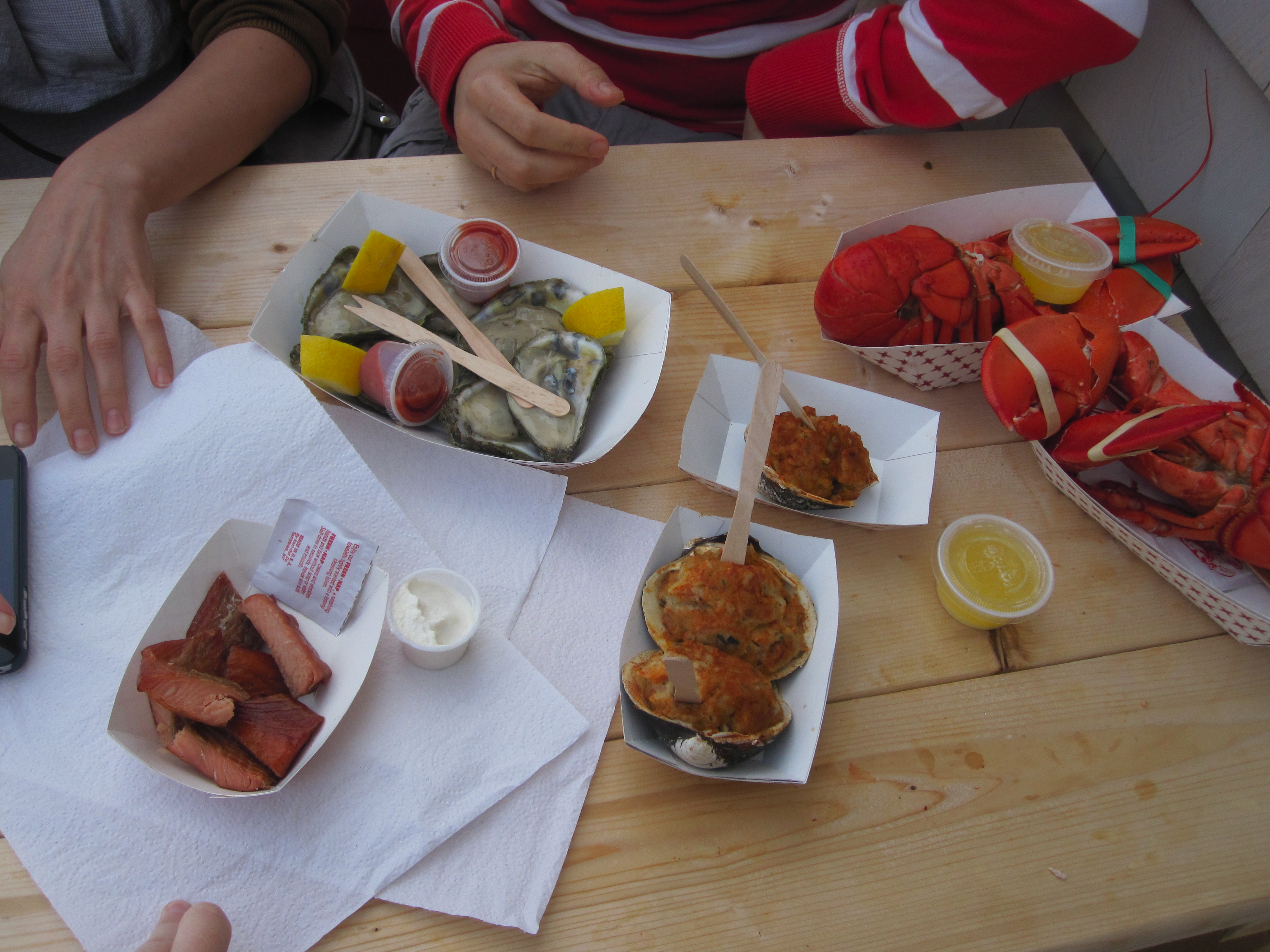
Eaten outside while staring out over fishing boats and hundreds of lobster traps, it was the kind of Ur-experience of a lobster shack, and something I would happily cross off of my bucket list if I had such a thing. I don’t, but if you do, definitely add “Eat lobsters at an old-school New England lobster shack with your best friends.” It’s definitely worth the trip.

Whenever I get married, I start buying Gourmet magazine.
I was saddened to hear about the death of Nora Ephron. I’ve never particularly liked her movies, which strike even this die-hard Woody Allen lover as too hopelessly bourgeois for comfort. But I do have a bit of a soft spot for her writing, especially on the subject of domestic life. While dawdling in an air-conditioned Barnes and Noble yesterday, I reread “Serial Monogamy: A Memoir” in a cheapskate homage to the late, great author. It’s a genuinely funny essay about Ephron’s development as a cook and hostess, something I’ve been thinking a lot about lately. For Ephron, learning to cook and host parties was an essential component of being a real adult, and not just any adult, but the kind of cultured, rarified adult that she wanted to be when she moved to New York as a young woman. This involved scouring important cookbooks, stalking the movements of food writers and celebrity chefs, and making incredibly elaborate dishes from a variety of international cuisines. Describing the culinary Zeitgeist of 1970s New York City, she writes,
Meanwhile, we all began to cook in a wildly neurotic and competitive way. We were looking for applause, we were constantly performing, we were desperate to be all things to all people. Was this the grand climax of the post-World War II domestic counterrevolution or the beginning of a pathological strain of feminist overreaching? No one knew. We were too busy slicing and dicing.

Later under the influence of Lee Bailey’s clean, unfussy strain of entertaining, Ephron threw out all the complicated recipes, the pathological overreaching, in favor of a simpler, more relaxed kind of cooking:
The point wasn’t about the recipes. The point (I was starting to realize) was about putting it together. The point was about making people feel at home, about finding your own style, whatever it was, and committing to it. The point was about giving up neurosis where food was concerned. The point was about finding a way that food fit into your life.
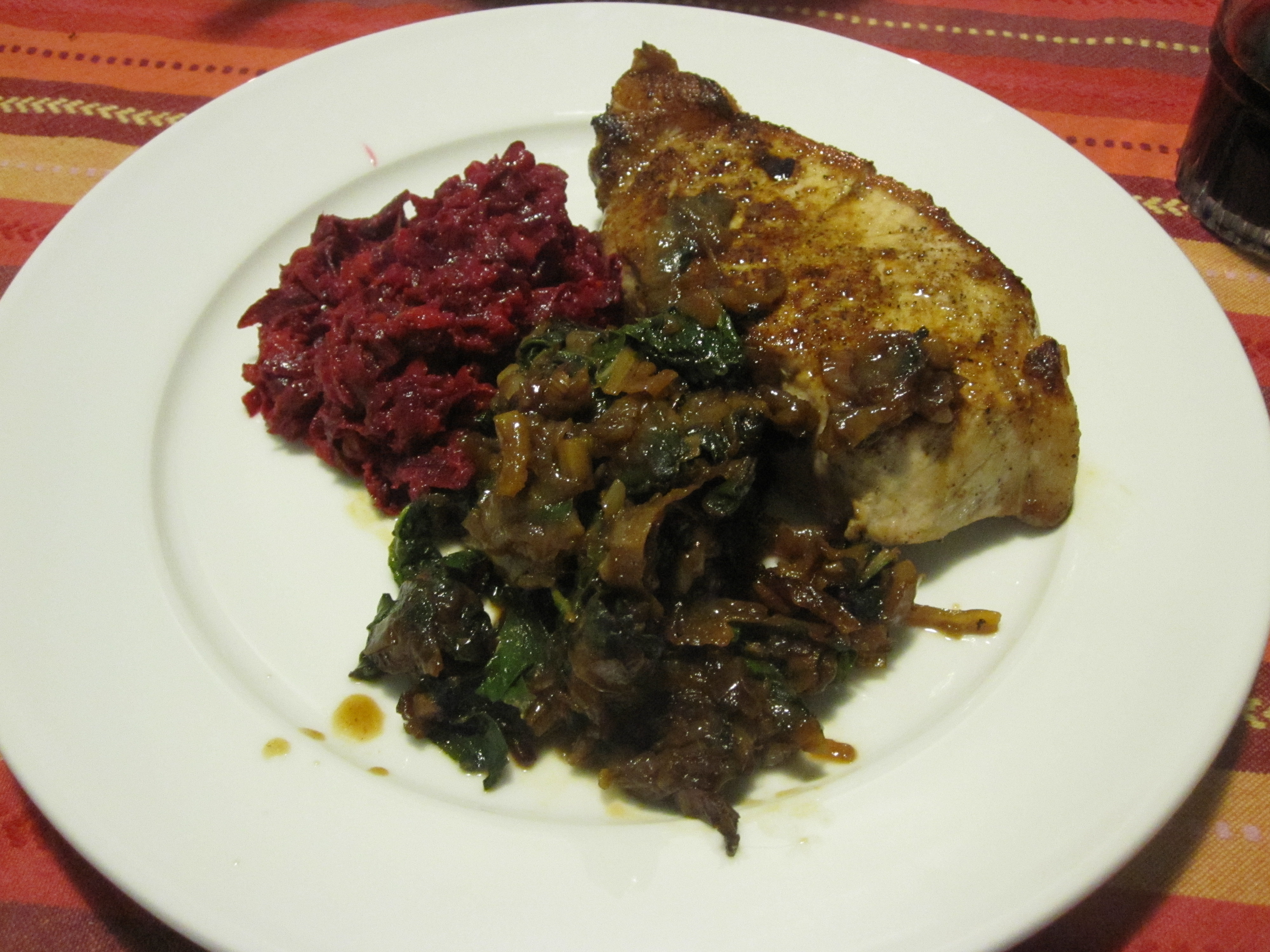
While Ephron is writing about a very specific time and place in food culture, her observations apply equally to my own generation’s obsession with food and entertaining, though perhaps in less gendered ways. In my own experience, single life cooking was ruled by practicality. An inordinate amount of things seemed to rot in my refrigerator when I tried to cook for myself from scratch on a regular basis, so an army of pre-prepared foods in frozen, pocket, or frozen pocket form entered my diet. It’s no wonder that Trader Joe’s—with its cornucopia of cheap, not-totally terrible pre-prepared meals—is usually a hot spot for singles in metropolitan areas. For me, at least, cooking for myself alone was totally depressing. While this isn’t to say that one can’t happily cook for oneself alone, I started having friends over for dinners as a personal excuse to cook something properly. Those early attempts were marred by my perfectionism, and I often found myself at the mercy of my own overreaching domestic superego. The result was gatherings that—while certainly fine and fun and a repository of nice memories of my early twenties—nevertheless seemed overwrought, both to me and probably to my guests. I regret speaking of this to those of you that ate at my house in 2007 or so, but I was probably a bag of nerves and lost illusions in those days. Those spicy lamb skewers that I wanted to seem effortless actually stressed me out enormously, and I’m sure they tasted of my strain. I apologize.
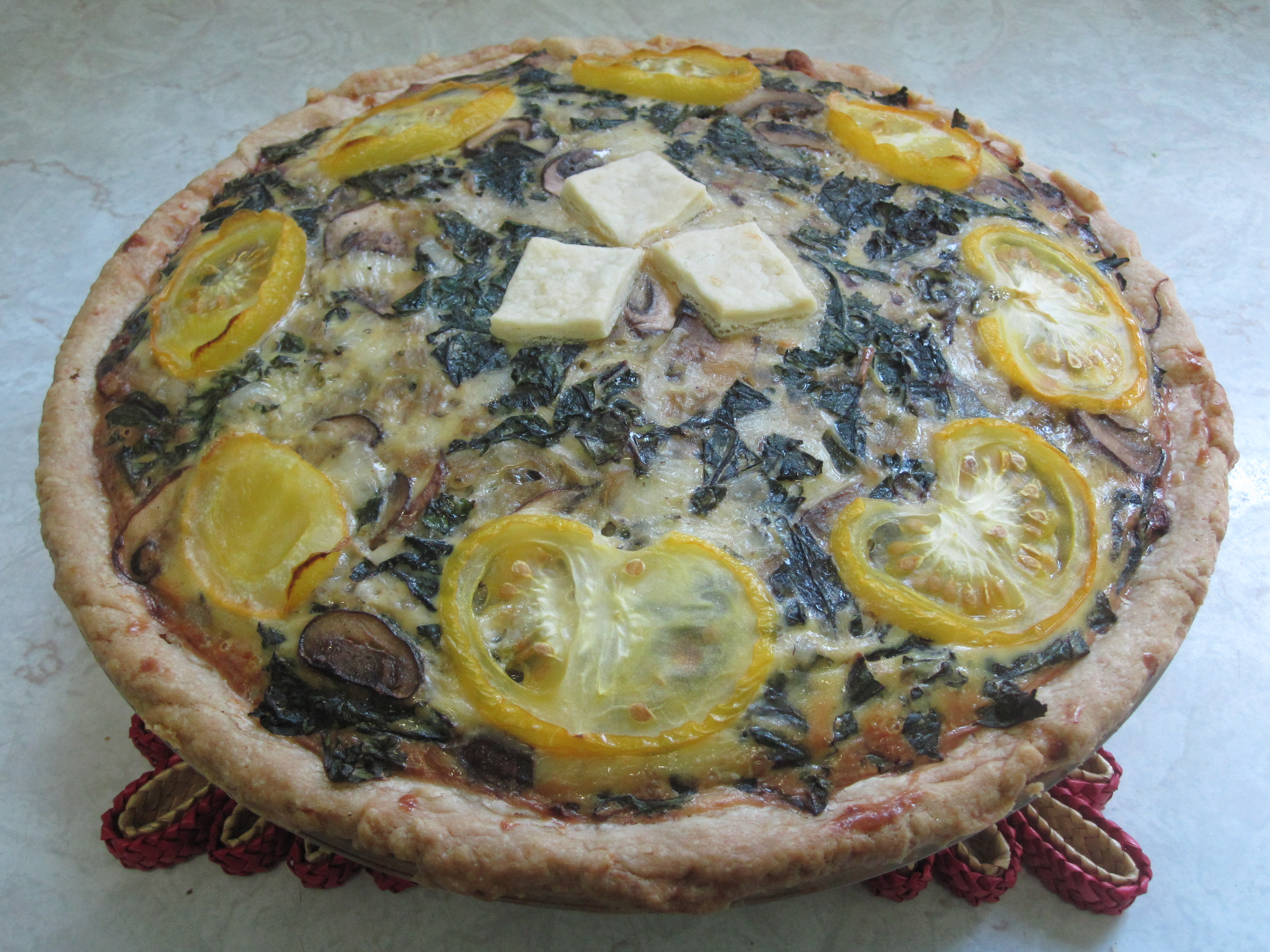
Two big things happened in my life to change my approach to cooking. First, I moved to Paris, which totally transformed how I thought about food in all of those terribly cliché ways that France transforms how Americans think about food (see: the six million memoirs written on this subject and the first two years of this blog).
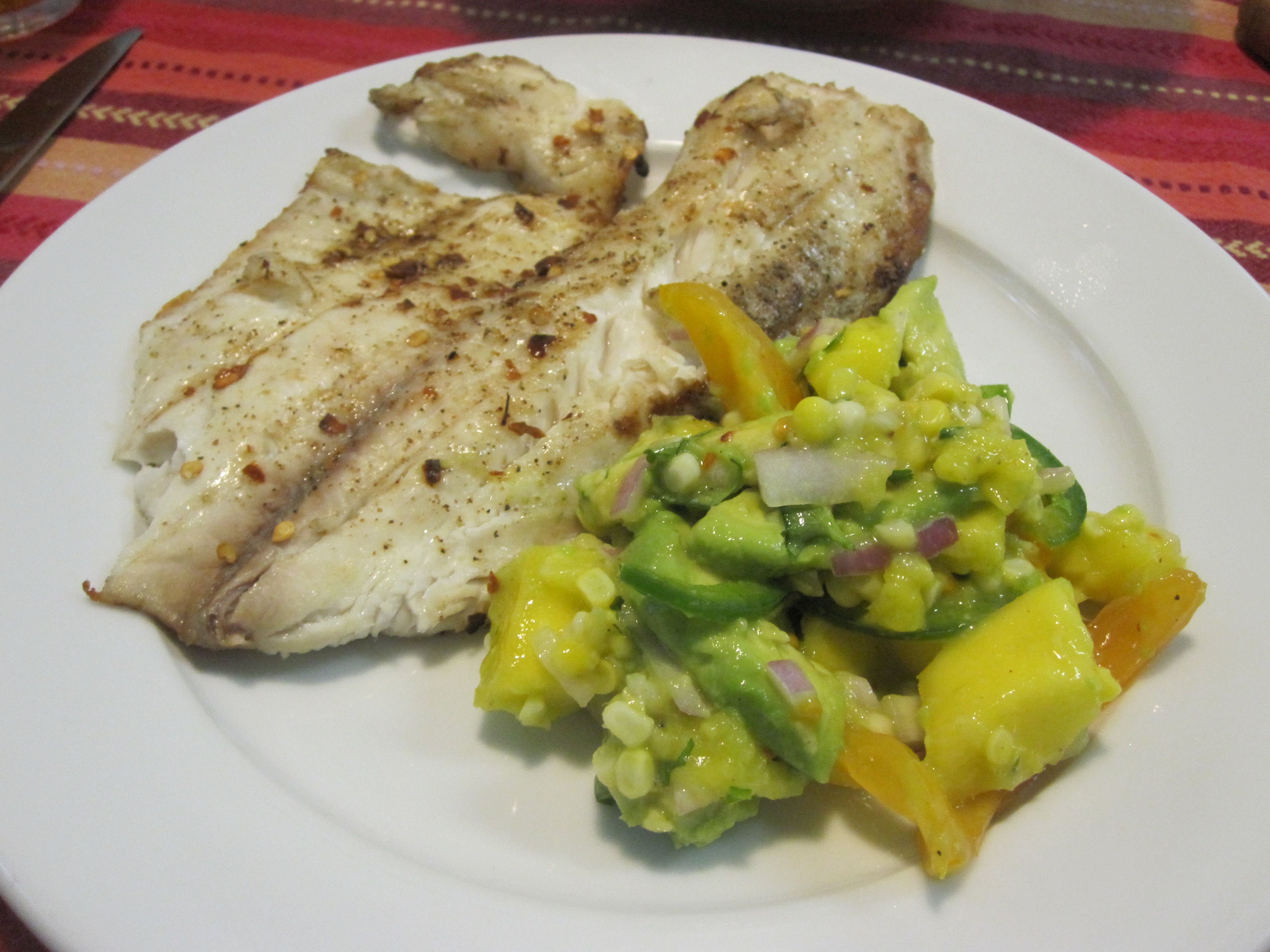
This is not to imply that I was some kind of culinary philistine in the first place. My mother is a wonderful cook, both because of her own upbringing in a home of Sicilian immigrants as well as the Julia Childs/Gourmet magazine era of culinary consciousness that Ephron so eloquently captures in her essay. Moreover, my mother was always a very cool cat as far as dinner parties were concerned – everything flowed, with nothing overdone or fussy. My mother is a master of the dinner party were the food is excellent, the atmosphere laid-back, and the conversation sparkling. I now realize there are two very pragmatic factors involved in this success.

Number one, she doesn’t overreach, pairing a tried-and-true classic (often a pasta with a white wine and artichoke sauce or bœuf bourguignon) with a big salad and crusty bread, followed by something simple like berries and ice cream for dessert. Number two, she’s organized and does the majority of the preparation of both the food and the house beforehand. That way, she can actually enjoy her own party. While she still may be finishing up the sauce while everyone is having a glass of wine, you’ll never arrive at my mother’s house to an unset table. She flicks on the tea or coffee pot somewhere late in the main course, so that it appears that the coffee has just magically appeared from nowhere at the exact moment when you want it alongside your dessert. Frankly, it’s a rather artful gesture, one I find maddening in its perfectly executed simplicity. There is fine line to balance regarding organization, I’ve discovered. Arriving somewhere starving and then having to wait for six years while dinner gets made is terrible, and nobody ever wants to look at the dirty dishes from their host’s breakfast. But while I don’t like the idea of arriving at cluttered house or a totally inchoate meal, I also think I can (and have) gone too far in the other direction. Nobody feels relaxed when they arrive and the house looks like a Crate and Barrel ad and the meal-will-be-ready-in-seven-and-a-half-minutes-so-make-sure-you-pound-that-aperitif-so-that we-can-switch-to-red-wine-when-we-start-eating-in-eight-minutes-and-fifteen-seconds. I don’t want to seem a careless slob, but I also don’t want to turn my friends in fodder for my domestic OCD, either.
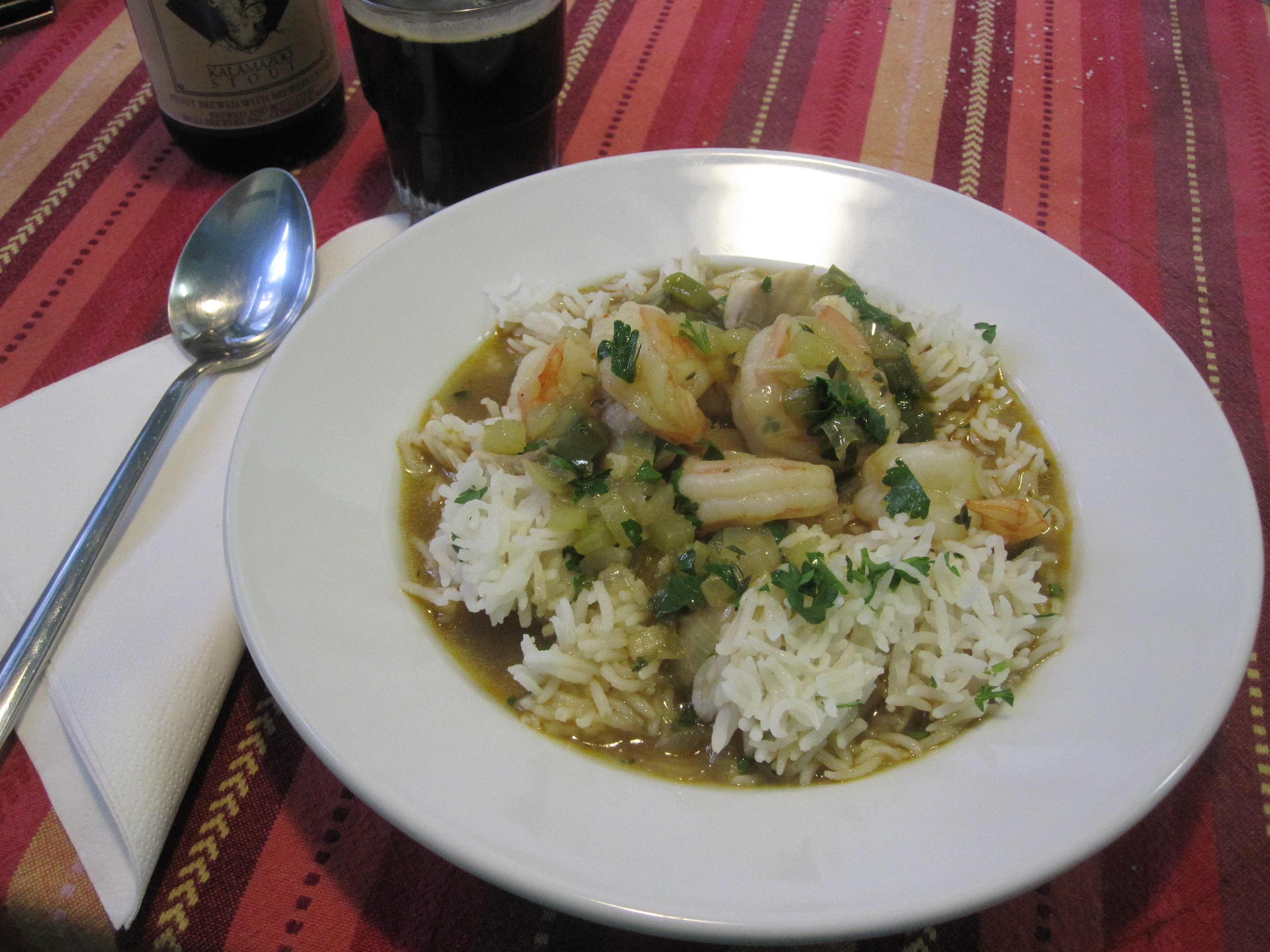
In Ephron’s case, her stylistic evolution took place over the course of three marriages, each with it’s own negotiations on the subjects of food and décor. For me, the second big change in my life that effected how I cook, eat, and entertain was moving in with B. He would be a rare dude in any generation for a lot of reasons, but he was the first man I ever met that could not only cook, but do so for a seriously enormous group of people in less than perfect circumstances, all without ever seeming to break a sweat. Longtime readers will remember that it was B’s epic American Thanksgivings and taco, gumbo, and chili nights—in which motley crews of people of all ages, nationalities, and persuasions gathered in tiny apartments for delicious food and better company—that really made me swoon when we were still “just friends.” My man can really roast a bird, people, and he can also admirably adapt to the sudden introduction of seven unexpected guests, a situation that would leave yours truly with a panic attack in the corner. Awesome dinner parties are an art being simultaneously hyper-organized yet unflappably laid-back, something B and my mom share and that I ferociously envy.
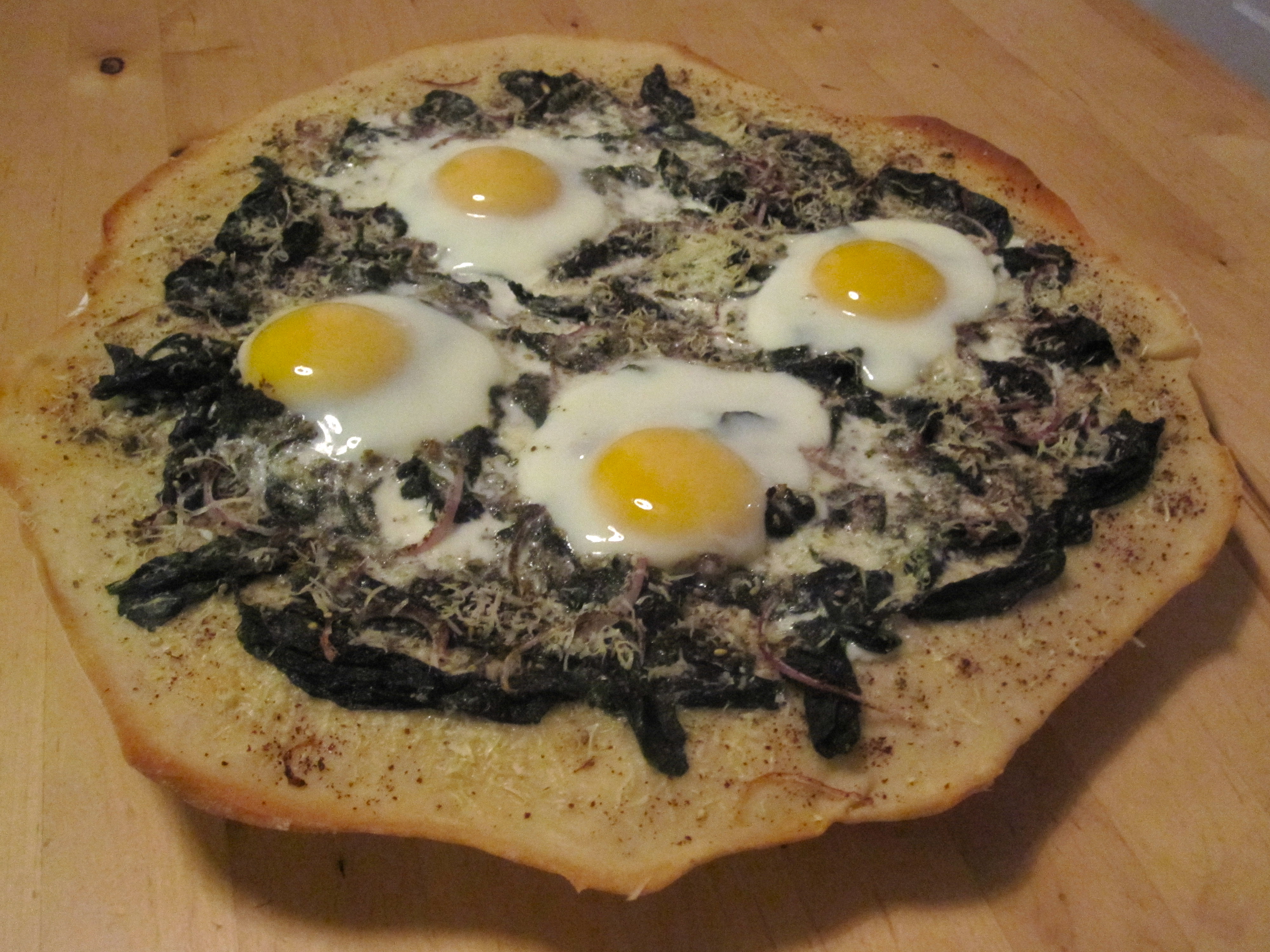
But I’m getting better, dear reader! Baby steps to the elevator! The last couple of meals we’ve hosted have been pretty masterfully casual-but-delicious, if I do say so myself! I’ve even tweaked plans for unexpected guests at the last moment, with only a minor amount of in-refrigerator grumbling! Getting older seems to be first about getting good at things, then getting relaxed about the things you are good at.
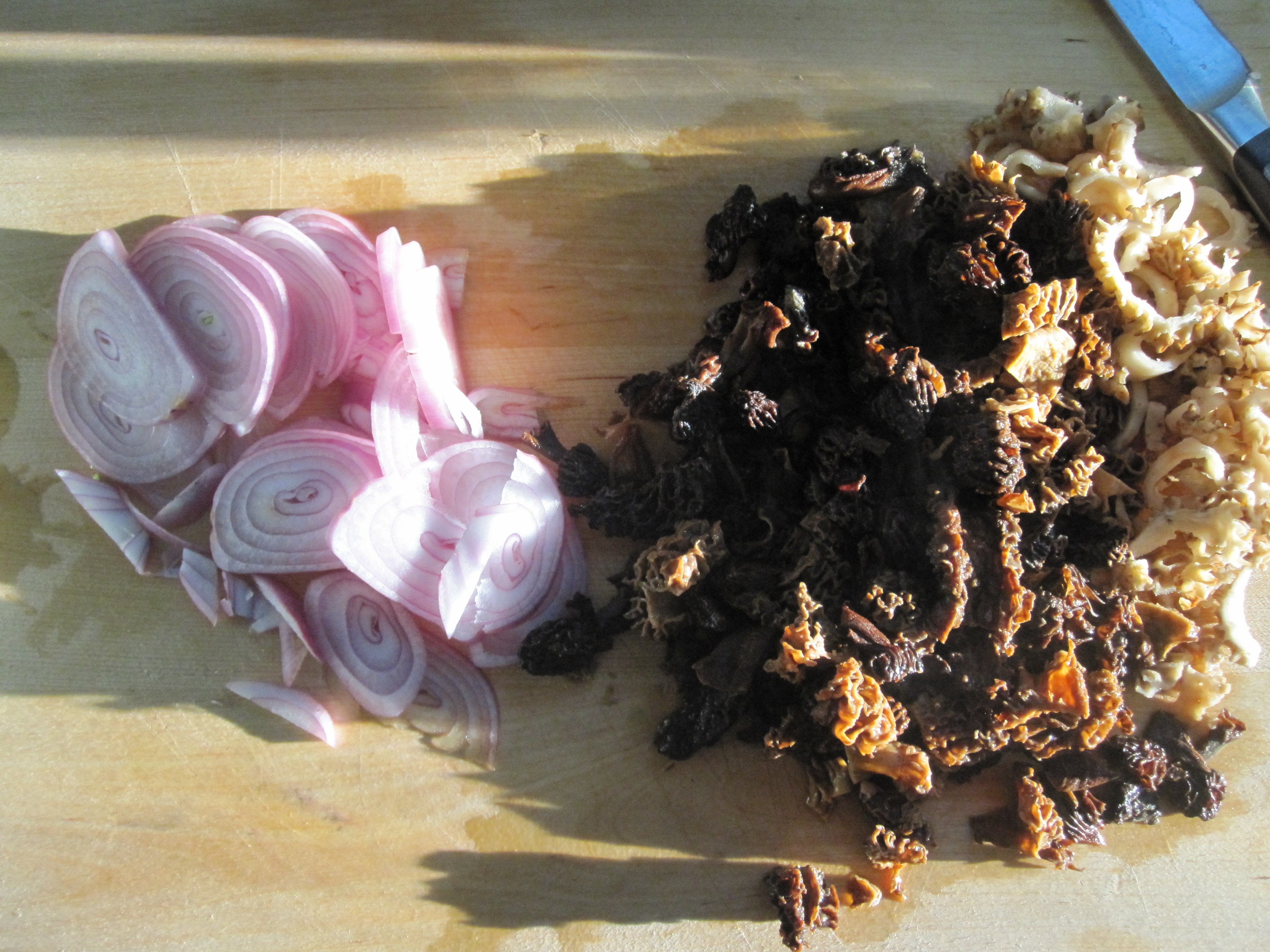
Even those meals that are just the two of us lately have been pretty awesome. I tell you all this because I know I haven’t written about restaurants much lately, but that’s because we’ve been mainly cooking and eating at home. I don’t exactly know if I want to take this blog in the direction of a cooking blog. Cooking blogs require being able to take pictures of the cooking process in ways that make it look like something deliberate and artful, rather than the horror movie set that happens nightly in my kitchen. Moreover, cooking blogs require recipes, which I never follow myself and am loathe to re-compose with any kind of accuracy. I cook from the gut, yo! Though I will say that Yotam Ottolenghi’s two cookbooks (eponymous and Plenty) are certainly in the Zeitgeist of my corner of the world, alongside my newish and already much dog-eared Silver Spoon. Sometimes when I’m bored I’ll just read recipes and peruse the pictures, which is officially the sign that I’m a Bobo goner.
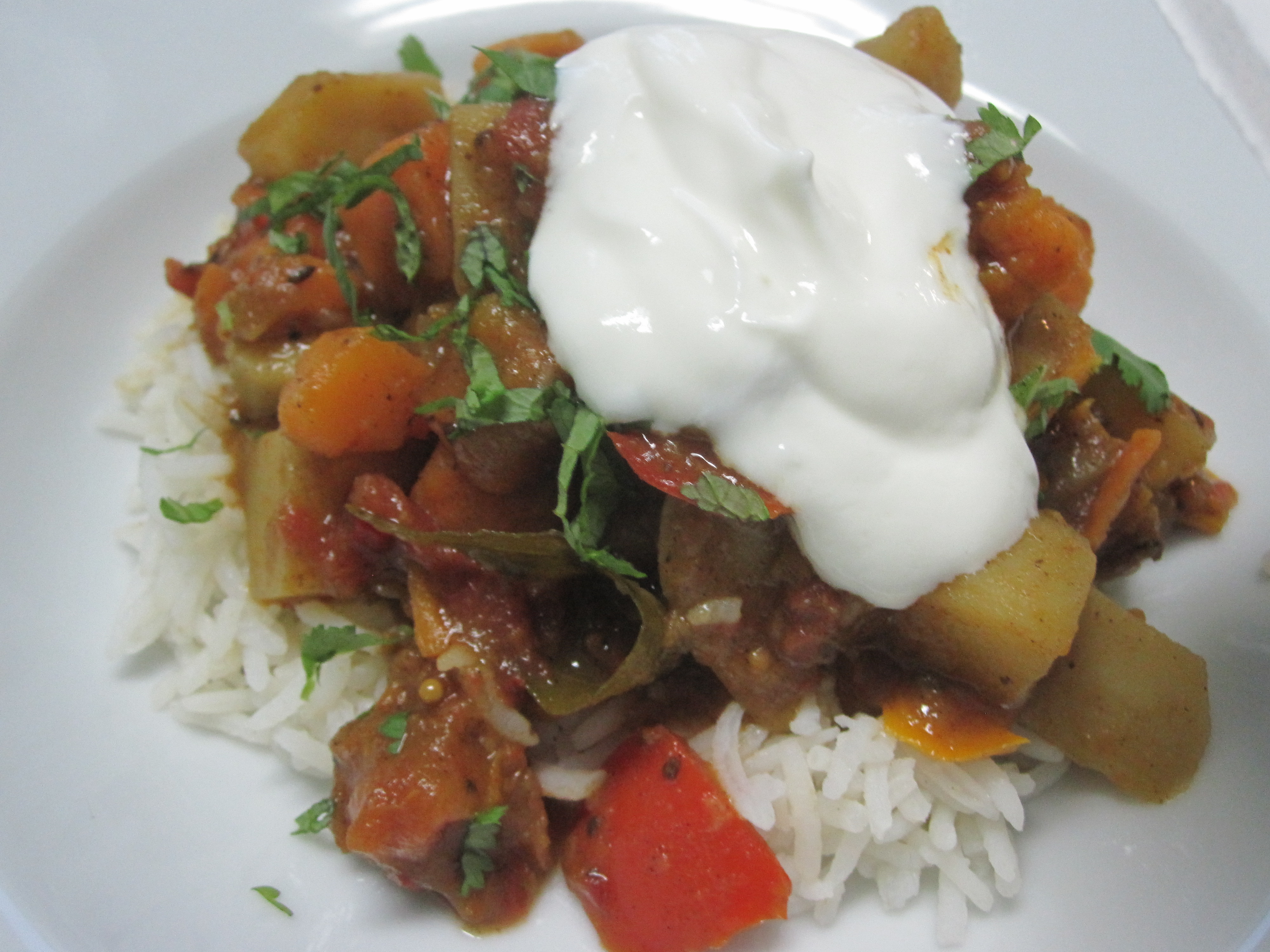
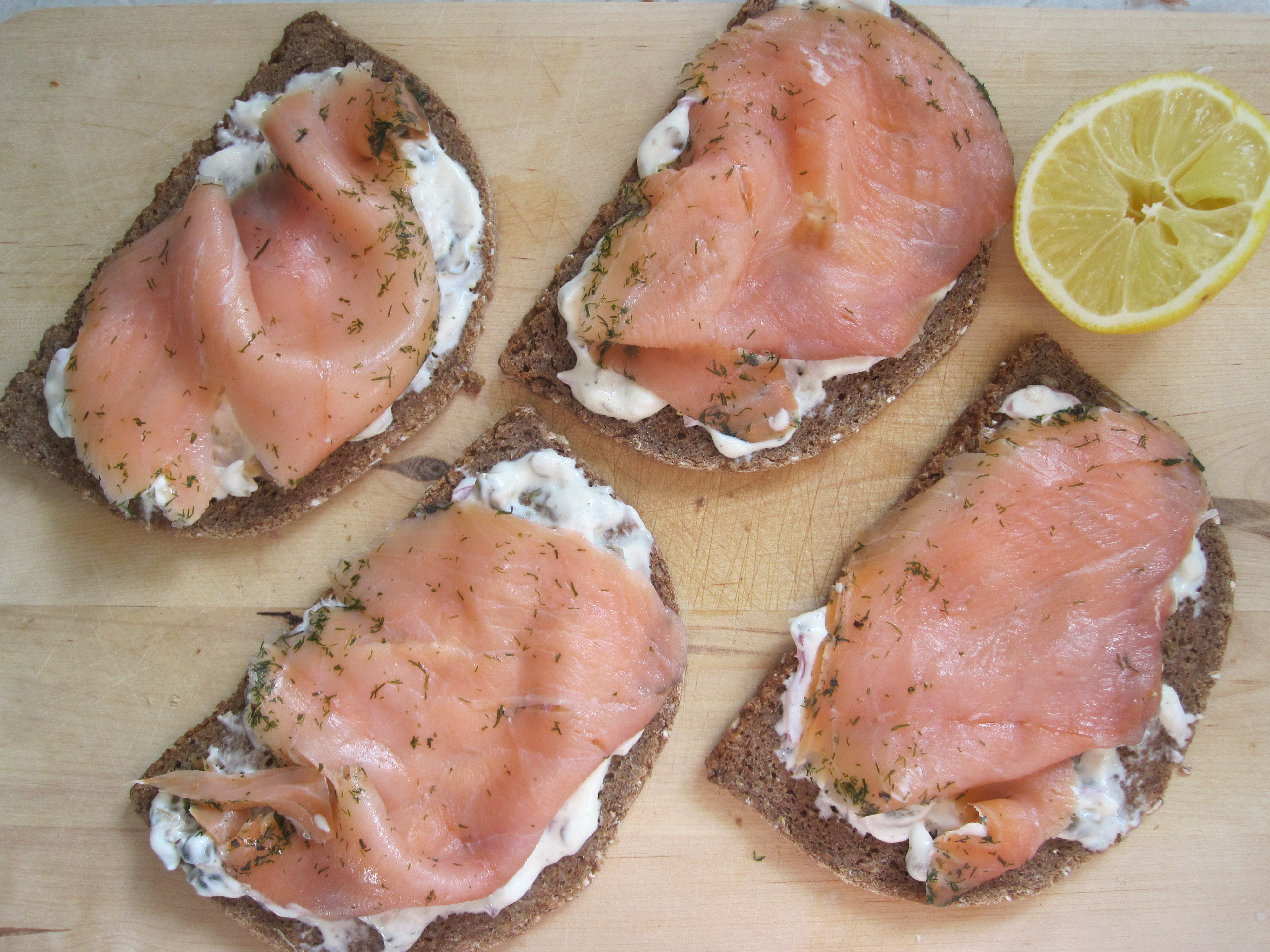
Anyway, here’s a bunch of pictures of what we’ve been eating lately. The good news is, I’m moving back to Southern California in August, so our restaurant coverage will likely resume, OC-style, in a few months. In the meantime, I have some other things up my sleeve, so check back periodically should you be so inclined.

As always, thanks for coming back, dearest reader. I hope this summer is shaping up to be one of your happiest ever.
 The Bear-Garden